The material case
Why aluminum.
The hull material the working coast chose a long time ago, for good reason.
Tougher boats. Lighter loads.
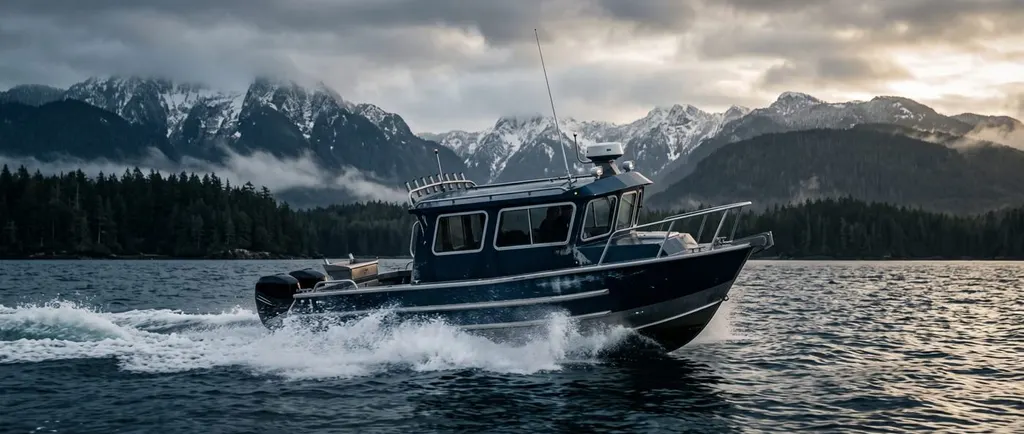
Fiberglass cracks. Wood rots. Aluminum dents, maybe, and keeps working. Here's why so many working and fishing boats on this coast run welded aluminum.
| Quality | Welded aluminum | Fiberglass |
|---|---|---|
| Impact | Quarter-inch welded plate absorbs beach landings, deadheads, gravel launches and dock rash. | A hard hit can crack the gelcoat or hole the laminate. |
| Weight | A lighter hull: better fuel economy, easier trailering, and more horsepower going to speed. | Heavier for the same size, so more fuel and a bigger tow. |
| Maintenance | No gelcoat to wax, no blistering, no rot. Rinse it down and go home. | Gelcoat needs regular waxing and can blister over time. |
| Longevity | Measured in decades, not seasons. Backed by a 15-year hull warranty. | Wear builds up in the gelcoat and laminate. |
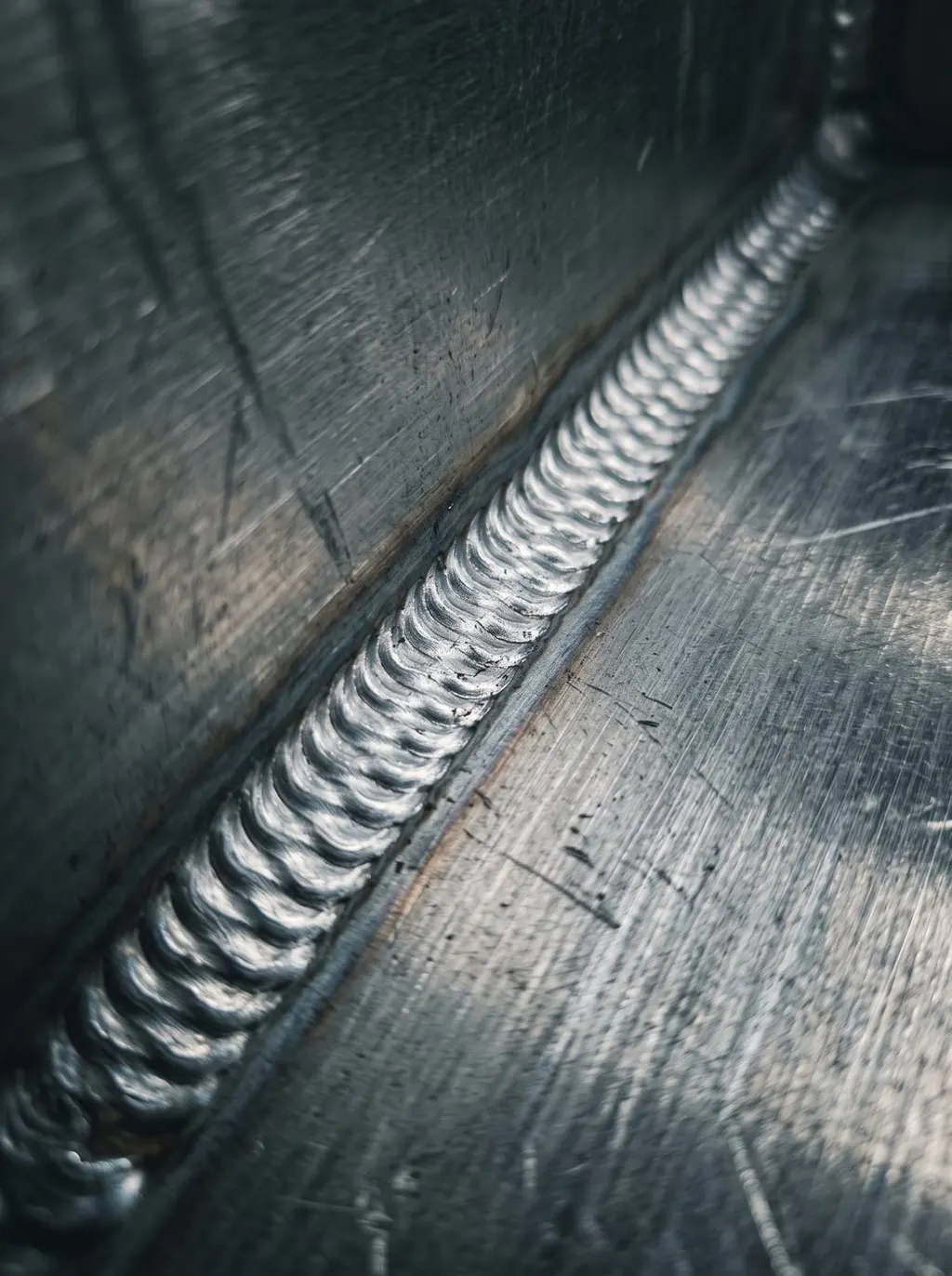
| Repair | Aluminum welds. A competent marine fabricator can make a repair as strong as the original hull. | Needs specialized fiberglass work. |
| Resale | Holds its value because it holds its condition. A well-kept welded hull sells fast on this coast. | Value follows the cosmetic condition of the gelcoat. |
Premium aluminum construction
Built like a workboat. Finished like a flagship.
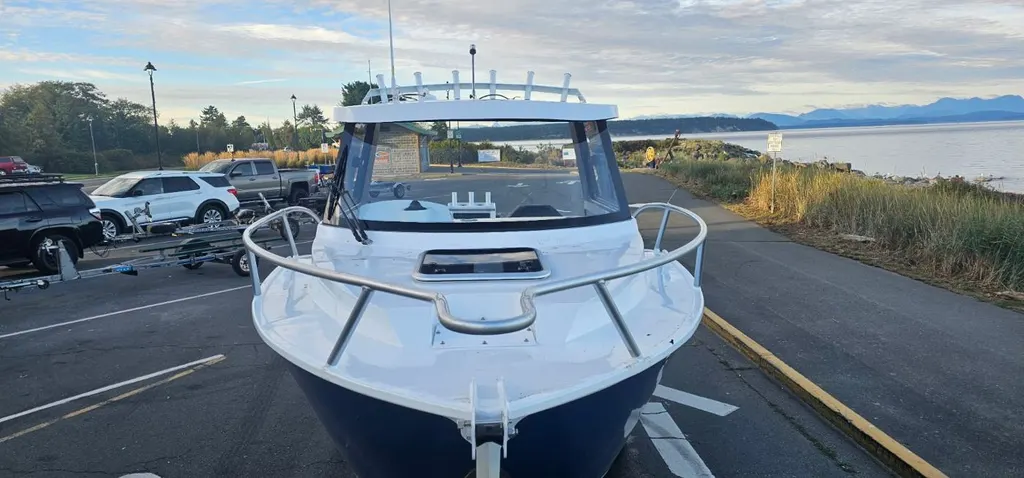
Every Bute hull starts as quarter-inch aluminum plate, cut precisely and welded. The result is industrial where it counts and refined where you live: a quiet, dry, confident ride behind a wraparound windshield.